




Bedding
Organic Futon Mattress Options for Eco-Friendly Sleepers in Australia
Organic Futon Mattress Options for Eco-Friendly Sleepers in Australia: Your Guide to Natural, Sustainable Bedding
By Origin Living, Origin Bedding
If you want healthier sleep and a smaller environmental footprint, organic futon mattresses are a smart choice. They use natural materials that improve indoor air and lower ecological impact. This guide looks at organic futon options in Australia, their materials, sustainability benefits, and key buying considerations. It will help you match comfort with eco-friendly values and find where to buy.
Types of Materials Used
Natural materials give organic futon mattresses their comfort, durability and eco credentials. The right material affects quality, lifespan and health benefits. Knowing each option helps you pick the best fit for your needs.
Natural Australian Wool
Natural Australian wool is prized for temperature regulation and durability. It can improve REM sleep duration by acting as a natural insulator—warm in winter and cool in summer. It is also resistant to mold and mildew, supporting a healthier sleeping environment.
Wool fibres are naturally crimped, which helps trap air and create an insulating layer without overheating the sleeper. This fibre structure also permits moisture vapour to escape, so you remain more comfortable overnight. In futon construction, wool is often used as a comfort layer or as part of a blended fill to add resilience and loft. For people who prefer a slightly springy, breathable surface, wool can be a primary choice. It also pairs well with other natural layers, such as cotton or latex, to balance softness and support.
All Natural Australian Grown Cotton
All-natural Australian-grown cotton provides excellent breathability and a soft feel. Grown without harmful chemicals, it boosts airflow and helps keep sleepers cooler, adding to overall comfort.
Cotton is commonly used in futon covers and as padding layers because it is soft to the touch, easy to work with in manufacturing and highly breathable. When grown organically, it avoids the residues that can aggravate sensitive skin. Organic cotton layers tend to compress over time, so they are frequently combined with denser materials—like latex or coils—to maintain long-term support while preserving a comfortable sleep surface.
Pure Dunlop Latex
Pure Dunlop latex is known for strong body support and comfort. This hypoallergenic material molds to the body, relieves pressure points and promotes better airflow, making it a supportive, well-ventilated surface.
Dunlop latex typically has a denser, firmer feel than some alternative latex processes, giving good foundational support in a futon. It is durable and resists sagging when cared for appropriately. Because latex naturally resists dust mites and many common allergens, it is a useful choice for allergy-prone sleepers. Latex layers are often used beneath softer natural fills to provide responsive support and to stabilise the mattress structure.
INFINITY Foam
INFINITY Foam is engineered for comfort and support, delivering pressure relief and good breathability. It blends features of traditional foams with added resilience for a durable, comfortable option.
Although INFINITY Foam is a more processed material than cotton or wool, manufacturers design it to emulate the support and contouring of natural products while addressing durability concerns. Used judiciously within a futon, it can provide targeted pressure relief zones and extend the usable life of the mattress. If you prefer a foam-like feel but want conscious sourcing and improved ventilation, look for INFINITY Foam layers that are combined with natural covers or breathable inserts.
Micro Coils (Pocket Springs)
Micro coils, or pocket springs, improve support and reduce motion transfer so one sleeper won’t disturb another. They also increase airflow, which boosts mattress breathability.
Micro coils are small, individually pocketed springs that move independently to follow body contours. This construction supports spinal alignment and helps isolate movement between partners. In a futon, micro coils are typically encased by natural fibres or foam to create a balanced sleeping surface—combining the responsiveness of springs with the softness or moisture-management of organic layers.
Sustainability Benefits
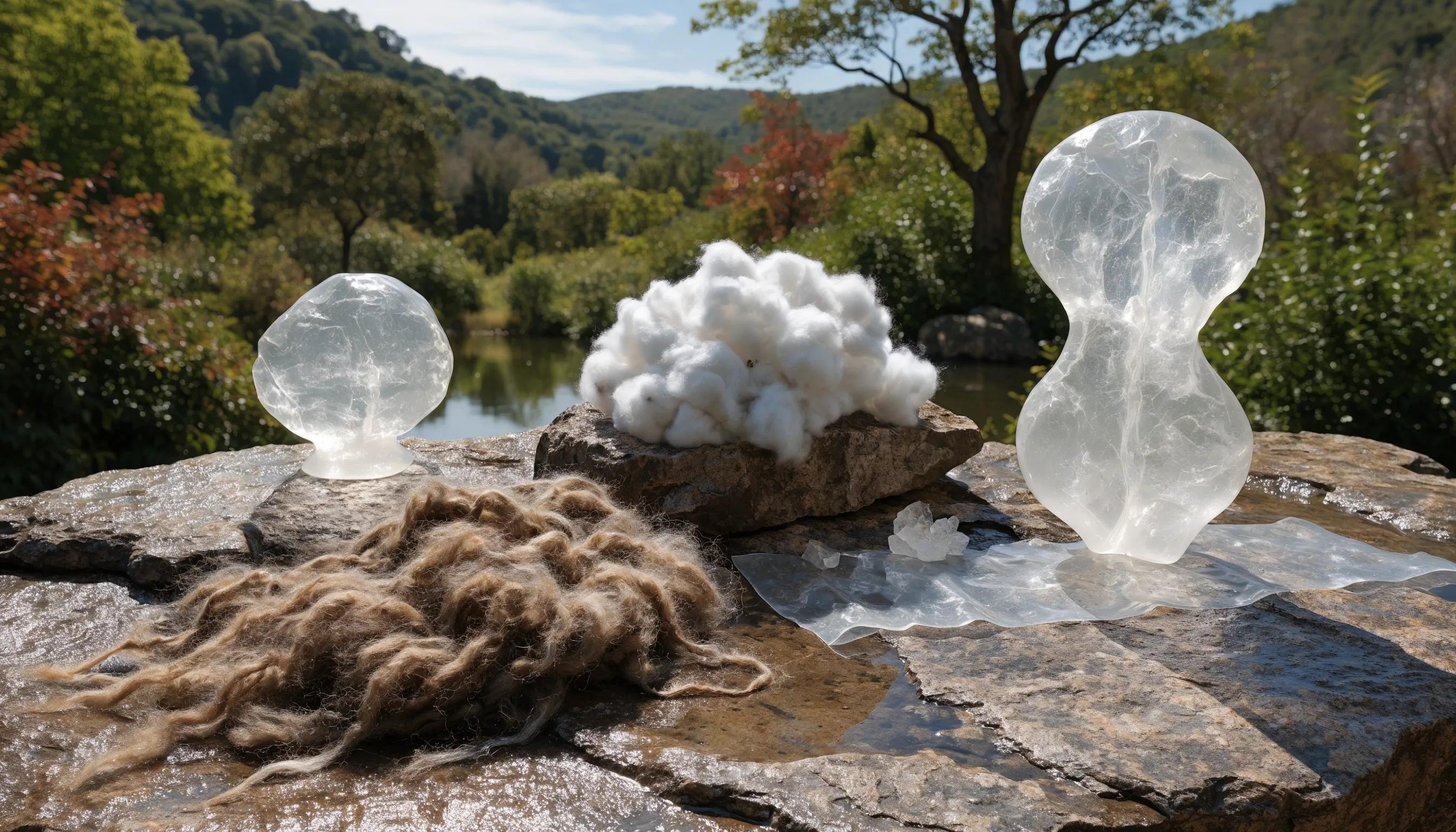
Choosing organic futon materials delivers clear sustainability benefits. They typically avoid pesticides and synthetic fertilizers, which helps protect ecosystems and consumer health. The points below summarise the main advantages.
- Pesticide-Free Advantages: Organic materials are grown without harmful chemicals, reducing environmental pollution. By choosing organic bedding, consumers can contribute positively to local ecosystems and their health.
- Renewability of Resources: Many organic materials used in mattresses, such as wool and cotton, come from renewable sources. This renewability helps in maintaining ecological balance, supporting sustainable agriculture practices.
- Chemical-Free Production: The manufacturing of organic mattresses involves fewer toxic substances, resulting in lower emissions and healthier indoor air quality. Shifting towards organic options can significantly diminish the environmental impact associated with conventional bedding.
Beyond these headline benefits, organic materials often have simpler end-of-life pathways. Natural fibres can be composted or downcycled more easily than synthetic blends, and some manufacturers design futons with separable layers to support repair, recycling or responsible disposal. Choosing a mattress with fewer synthetic adhesives or coatings also reduces the likelihood of off-gassing, which can matter for indoor air quality in smaller homes or apartments.
Key Purchasing Considerations
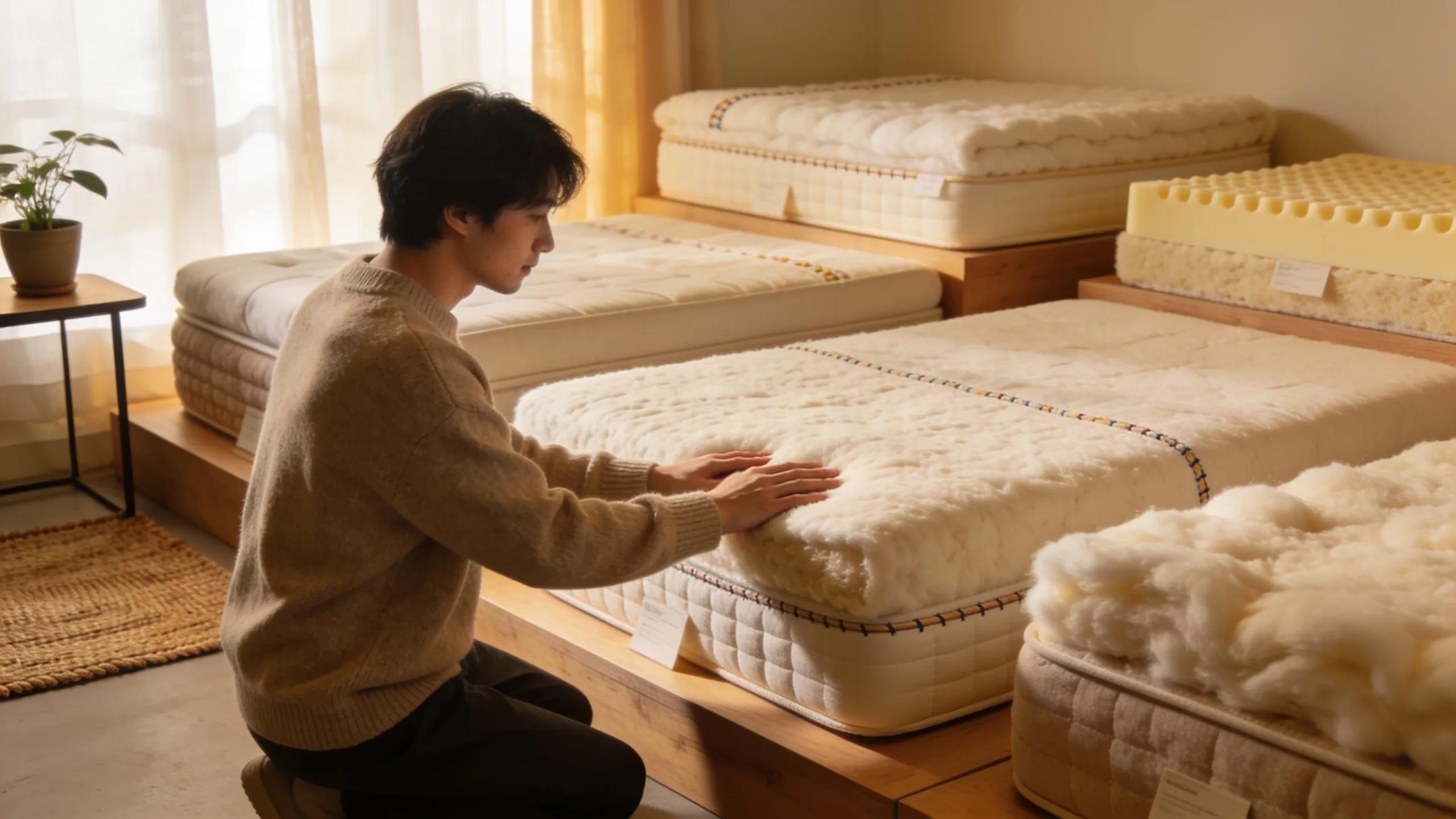
Several key factors help you choose the right organic futon mattress. Being aware of these considerations makes the buying process easier and increases satisfaction.
Comfort Guarantee
Many brands offer a comfort guarantee. Often you have 30 days to test and exchange the mattress if it doesn’t meet your comfort needs, which builds buyer confidence.
When evaluating a comfort guarantee, check the fine print for trial period conditions, any return shipping costs, and whether the mattress must be registered or used with a specific base to remain eligible. Trial periods are helpful because natural materials may take several weeks to break in; a short trial might not capture the mattress’s settled feel. Consider asking retailers about break-in expectations and whether they offer extended trials or staged adjustments for natural fills.
Hypoallergenic Properties
Organic futon mattresses often have hypoallergenic traits that suit allergy sufferers. Materials like natural wool and cotton resist common allergens and bacteria, making them a good option for sensitive sleepers.
While natural materials can reduce allergen exposure, maintenance matters too. Regular airing, appropriate covers, and periodic cleaning all contribute to a mattress remaining allergy-friendly. Also, look for mattress covers that are tightly woven and labelled as dust-mite resistant if allergies are a concern; combined with natural interiors, these covers help keep irritants to a minimum.
Care Instructions
To extend a mattress’s life, avoid harsh chemicals when cleaning. Use gentle cleaning methods and routine care to preserve the natural materials.
Regular light maintenance—such as rotating the mattress every few months, airing it in a dry, shaded spot, and using a breathable protector—can prevent uneven wear and minimise moisture build-up. For small stains, spot-clean with mild soap and water and allow the mattress to dry fully before replacing bedding. If a manufacturer provides specific care instructions, follow them to protect warranties and maintain material integrity.
Size Options
Organic futon mattresses are available in single, double, queen and king sizes to fit most bed frames. Choose the size that best suits your sleeping arrangement.
Beyond standard sizes, some retailers offer custom dimensions for specialised bed frames or space-saving solutions. If you share a bed, consider whether you prefer one larger mattress or two separate futons to reduce motion transfer and allow individual firmness choices. Always confirm how mattress dimensions relate to fitted sheets and protectors so you can purchase compatible bedding.
Price Range
Prices vary with materials and craftsmanship. On average, organic futon mattresses range from about AUD 800 to AUD 2,200. Knowing this range helps with budgeting.
Price differences reflect factors such as the thickness of natural layers, the complexity of construction, and whether materials are certified organic. While an up-front higher cost can reflect better materials and longer lifespan, weigh price against trial periods, warranty lengths and expected maintenance. Buying locally produced mattresses may cost more initially but can reduce transportation-related emissions and simplify repairs or exchanges.
Local Sourcing
Check whether materials are sourced in Australia. Local sourcing supports local economies and lowers transport-related carbon emissions. Brands that highlight local sourcing can make the purchase more sustainable.
Ask retailers about traceability: which parts of the mattress are grown or manufactured in Australia, and which components are imported. Clear sourcing statements, supplier transparency and independently verified claims make it easier to assess the true environmental benefits of a product. Choosing goods with shorter supply chains often improves quality control and after-sales support.
What is an Organic Futon Mattress and Why Choose It in Australia?
An organic futon mattress uses certified organic materials that support both health and environmental goals. In Australia, consumers choose organic options for better sleep quality, fewer allergy symptoms and a smaller environmental footprint. Buying organic also backs more sustainable industry practices.
Futons are typically thinner than traditional mattresses and can serve multiple purposes—from daily sleeping surfaces to occasional guest beds or multi-use furniture cushions. Choosing an organic futon means you get the practical flexibility of a futon combined with the benefits of natural materials, which can be especially valuable in smaller living spaces or for households prioritising minimal impact.
How Do Organic Materials Like Cotton, Wool, and Latex Define Futon Mattresses?
The feel and function of a futon mattress come from its materials. Organic cotton offers breathability and softness, wool provides temperature regulation, and latex adds durability and supportive bounce. Together they deliver a comfy, eco-friendly mattress.
Manufacturers often layer these materials to get the best attributes of each: for example, a breathable cotton or wool comfort layer on top, a supportive latex core for pressure relief, and a durable cover that resists wear. Understanding how layers interact will help you choose the right balance of softness, support and longevity for your sleeping preferences.
What Are the Environmental and Allergy Advantages of Non-Toxic Futon Mattresses?
Non-toxic futon mattresses reduce exposure to harmful chemicals, which benefits both the environment and indoor air quality. Natural materials can also lower allergy triggers, creating a safer sleep space for individuals and families.
By avoiding flame retardant chemicals, formaldehyde-based adhesives or heavy synthetic finishes, non-toxic mattresses are designed to minimise volatile organic compound (VOC) emissions. This can be particularly helpful for people with chemical sensitivities or for households that spend significant time indoors. Choosing low-emission products helps create a healthier indoor environment without compromising comfort.
Which Sustainability Certifications and Eco Labels Should You Look for in Australian Organic Futon Mattresses?
When buying organic bedding, watch for recognised sustainability certifications and eco labels. These marks help confirm a product’s authenticity and safety.
Certifications typically cover the sourcing of raw materials, chemical use in processing, and sometimes the social and environmental practices of production facilities. While no single label tells the whole story, seeing credible certifications on different components of a mattress can give confidence that a product meets multiple sustainability criteria.
How Do GOTS and OEKO-TEX Certifications Ensure Mattress Safety and Eco-Friendliness?
GOTS and OEKO-TEX are key certifications for organic mattresses. GOTS verifies that organic materials are processed without harmful chemicals, while OEKO-TEX checks that products are free from harmful substances. These labels give you reassurance about your purchase.
When comparing mattresses, check which parts of the product are covered by certification. For example, a cover might be GOTS-certified while internal fillings hold OEKO-TEX or similar approvals. A combination of certifications is often the best indicator that a mattress was designed with both human health and environmental impact in mind.
What Do Australian Standards Say About Sustainable Bedding?
Australian standards set benchmarks for safety and product integrity in bedding. They guide material use and production processes, so compliance helps validate manufacturers’ sustainability claims.
Look for clear compliance statements and ask retailers for test documentation if you need reassurance. Standards typically address issues such as flammability, structural integrity and labelling accuracy; when combined with international eco labels, they create a fuller picture of product quality and safety.
How to Compare Organic Futon Mattress Materials, Prices, and Features?
Create a side-by-side comparison of materials, prices and features to find the best value. Evaluating these aspects makes it easier to choose the mattress that meets your needs and budget.
When comparing, include: layer composition and thickness, type and level of certifications, warranty and trial conditions, country of manufacture, and recommended cleaning or maintenance. Also consider delivery and return policies, since bulky items can be costly to return. A simple spreadsheet or comparison table can help keep the options clear as you weigh trade-offs between price and long-term value.
What Are the Differences Between Organic Cotton, Natural Latex, and Wool Futons?
Each material suits different sleepers. Organic cotton is breathable and soft, natural latex is responsive and supportive, and wool offers strong temperature control. Match the material to your personal preferences.
Practical differences include: cotton tends to be softer initially but may compress faster; latex offers excellent support and durability but can feel firmer; wool is excellent for regulating temperature and wicking moisture but may require careful layering to achieve desired firmness. The best choice depends on your body type, typical room temperature and whether you prefer a plush or more supportive surface.
How Does Pricing Vary Among Eco-Friendly Futon Mattresses in Australia?
Pricing reflects material quality and construction. Typically, eco-friendly futons cost from around AUD 800 up to and beyond AUD 2,200 for premium models. Balance your budget with the features you value most.
Consider total cost of ownership: a higher initial price can be offset by a longer lifespan and lower need for replacement. Also account for accessories such as protectors, bases or specialised bedding that complement natural materials and protect your investment.
Where Can Eco-Conscious Australians Buy Certified Organic Futon Mattresses?
Australians can buy certified organic futons from several retailers. Popular choices include:
- Origin Bedding offers a variety of futon mattresses made from natural materials, including cotton and wool. Customers can visit their showroom located at 26 Evans Street, Braybrook, VIC 3019, Australia.
- Online Shops: Various online retailers provide options for organic futon mattresses, allowing for a convenient shopping experience.
Explore a full range at Origin Bedding‘s futon collection.
Why Choose Origin Bedding for Australian-Made Organic Futon Mattresses?
Origin Bedding produces Australian-made organic futons with a focus on sustainability and craftsmanship. Their mattresses aim to be durable and eco-friendly, and they offer a 30-day comfort guarantee so you can buy with confidence.
Choosing a locally made product can simplify after-sales service, and buying from a manufacturer that supplies clear construction and material details makes it easier to assess long-term value. If you prioritise repairability or separable layers, ask about how components are assembled and whether they can be serviced or replaced individually.
Are There Other Trusted Retailers Offering Natural Futon Mattresses in Australia?
Besides Origin Bedding, several trusted retailers stock natural futon mattresses. Many prioritise sustainable sourcing and quality materials to give customers eco-friendly choices.
When shopping, compare warranties, delivery windows and return options between retailers as these practical factors often influence overall satisfaction as much as material choices. If possible, test mattresses in-store for at least a short period, or review detailed customer feedback for real-world performance insights.
How Do Organic Futon Mattresses Support Sleep Health and Allergy Relief?
Organic futons help sleep health by using natural, hypoallergenic materials that reduce exposure to irritants. This creates a more comfortable and healthier sleeping environment.
Reducing contact with synthetic chemicals and highly processed fibres can lessen irritation for people with sensitive skin or respiratory issues. Natural materials combined with appropriate protectors and routine maintenance create a sleep surface that helps maintain cleaner air around the bed area.
What Are the Hypoallergenic Properties of Organic Futon Mattresses?
Materials like cotton, wool and latex cut exposure to common allergens and bacteria, helping those with sensitivities sleep more comfortably.
Wool’s natural lanolin content and latex’s resilient surface both act as deterrents to dust mites and microbial growth, especially when kept dry and aired regularly. Choosing a mattress with a removable, washable, breathable cover adds another layer of defence against allergens
.
How Does Using Natural Latex and Wool Improve Sleep Quality?
Wool wicks moisture and regulates temperature, while latex provides responsive, body-contouring support. Together they help improve overall sleep quality.
Better temperature regulation reduces night-time wake-ups related to overheating or chills. Latex’s ability to distribute weight also reduces pressure on joints and shoulders, which can translate into fewer night-time aches and more continuous sleep cycles for many sleepers.
What Are the Best Practices for Caring for Organic Futon Mattresses to Ensure Longevity?
Proper care keeps organic futons performing well for longer. Follow basic maintenance steps to protect materials and extend lifespan.
Regular inspection for signs of wear, prompt treatment of spills, and keeping the mattress on a supportive, breathable base all help maintain its structure. Avoid prolonged exposure to direct sunlight which can dry and weaken fibres; instead, air the mattress in a shaded, ventilated area when freshening is needed.
How Should You Clean and Maintain Organic Cotton and Wool Futons?
Don’t machine wash cotton or wool futons; machine washing can damage their structure. Spot clean when needed and air the mattress regularly to keep it fresh.
For persistent odours, allow the mattress to breathe outdoors on a dry day, but keep it out of prolonged direct sun. If a cover is removable and washable, follow the manufacturer’s garment instructions to maintain the fabric without shrinking or degrading protective finishes.
What Are Eco-Friendly Ways to Preserve Mattress Quality?
Use eco-friendly cleaning products and avoid harsh chemicals. Regularly rotate or flip the mattress to maintain even wear and prolong comfort.
Consider natural cleaning agents—such as diluted mild soap and water—and spot-test in an inconspicuous area before wider use. Replacing or repairing covers rather than discarding an entire mattress can also reduce waste and extend product life.
What Do Australian Customers Say About Their Experience With Eco-Friendly Futon Mattresses?
Customers often praise natural materials for improving sleep quality and comfort. Reviews frequently highlight better support and reduced allergy symptoms.
Customer feedback commonly mentions the importance of a break-in period as natural fillings settle. Many buyers also appreciate the transparency of manufacturers who list material origins and construction details, which helps build trust in the purchase decision.
Which Features Do Users Highlight in Reviews of Organic Futon Mattresses?
- Comfort Level: Many users emphasize the impressive comfort levels achievable with organic materials.
- Health Improvement: Feedback often highlights a noticeable reduction in allergy symptoms after switching to organic options.
- Durability: Many customers note the longevity of these mattresses, which often last much longer than conventional counterparts.
How Do Verified Ratings Influence Buying Decisions for Natural Bedding?
Verified ratings matter because they offer trustworthy feedback on product quality and performance. Positive reviews help build trust and influence buying choices.
When reading reviews, look for comments that match your priorities—such as long-term durability, temperature comfort, or ease of maintenance—rather than focusing solely on overall star ratings. Verified purchase tags and detailed before/after comments are particularly useful.
What Are the Latest Trends and Market Insights for Organic Futon Mattresses in Australia?
Keeping up with market trends helps buyers make informed choices. Recent insights show shifting consumer demand and new sustainable developments in mattress design.
Industry attention is increasingly focused on modular designs, separable layers and improved traceability. These approaches make it easier to repair or refresh parts of a mattress rather than replacing the whole item, which aligns with circular economy principles many eco-conscious buyers value.
How Is Consumer Demand Shifting Toward Certified Organic and Biodegradable Bedding?
More consumers now prefer certified organic and biodegradable bedding as awareness of health and environmental issues grows. This shift points to stronger demand for sustainable products.
In practice, buyers are balancing certification evidence with practical considerations—like delivery logistics and warranty coverage—so transparent retailers who provide both product credentials and clear service terms are increasingly preferred.
What Innovations Are Emerging in Sustainable Mattress Materials?
New materials and production methods are improving sustainable mattress options. Developments focus on biodegradable components and lower-impact manufacturing while keeping quality high.
Innovations include improved natural fibre processing that reduces water and chemical use, and construction methods that enable easier separation of layers for recycling. These incremental changes help bring the environmental footprint of mattresses down while maintaining performance and comfort.