



Bedding
Hypoallergenic Japanese Floor Mattresses for Allergy Relief in Australia
Hypoallergenic Japanese Floor Mattresses for Allergy Relief in Australia: Your Guide to Eco-Friendly, Natural Bedding
By Origin Living, Origin Bedding
If you have allergies, a hypoallergenic Japanese floor mattress can help. These mattresses use materials that limit allergen build-up and create a cleaner, more breathable sleep surface. This guide explains the features and benefits of eco-friendly floor mattresses for allergy relief in Australia, the materials used, the health advantages of natural bedding, and what to consider when choosing the right mattress.
We also cover sustainability and how brands like Origin Bedding make it easier to maintain good sleep hygiene. Understanding hypoallergenic options helps you choose bedding that supports both health and environmental goals.
Eco-Friendly Features
Eco-friendly floor mattresses are made with sustainability in mind, using natural materials that lower environmental impact. Many are produced with chemical-free processes and sourced to support ethical, local agriculture. Choosing organic and biodegradable components reduces toxins in your bedroom and lessens harm to the planet.
They are built to be durable, which cuts the need for frequent replacements and reduces waste. That durability benefits both consumers and the communities supplying the materials. Responsible manufacturing means you invest in your health and the environment.
When comparing eco-friendly options, look for clear information on material provenance, transparent supply chains and independent certifications that confirm organic or low-toxicity claims. A mattress with documented lifecycle information — from farming and processing to disposal — helps you assess long-term environmental and health benefits.
Natural Bedding Materials
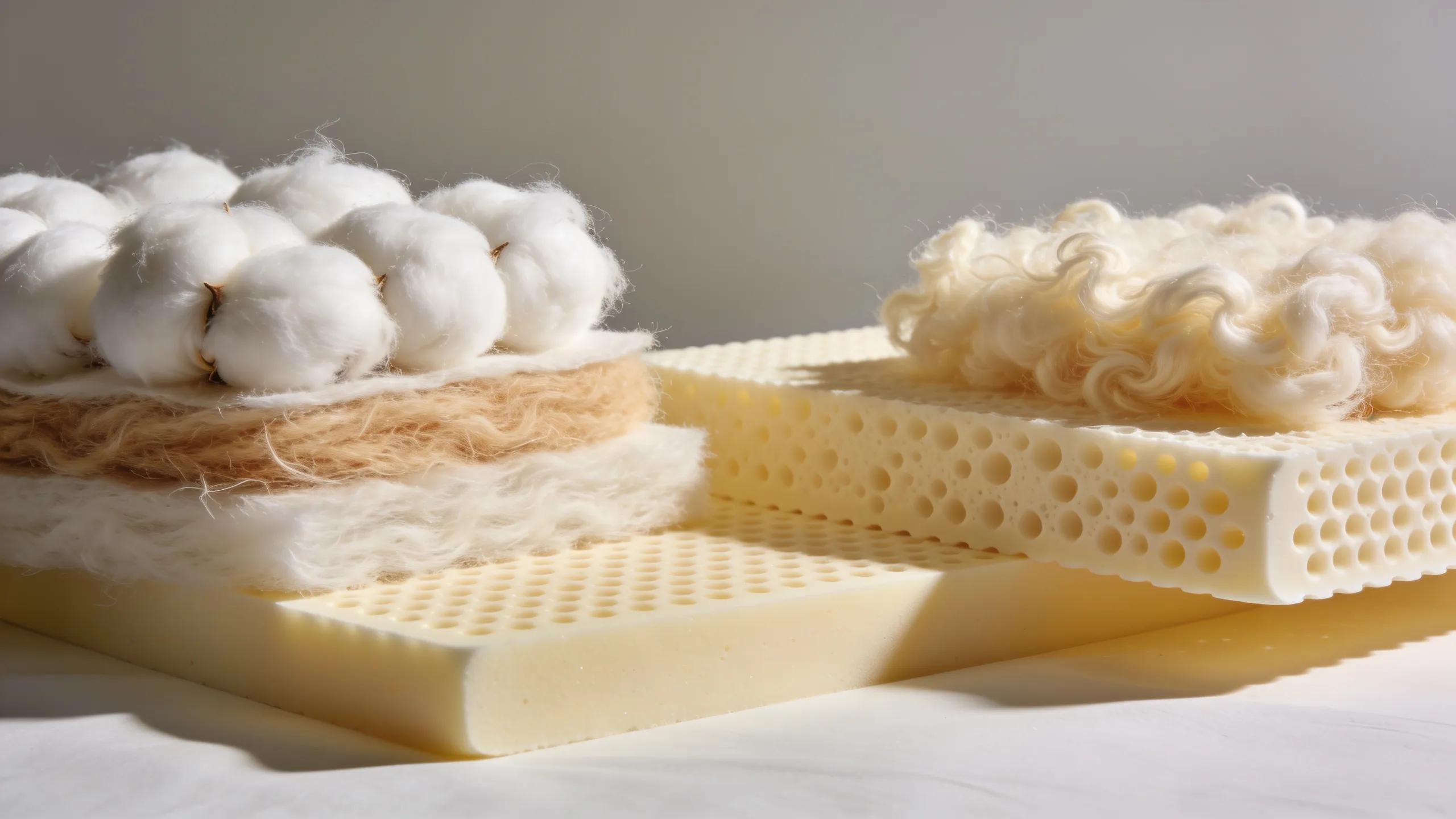
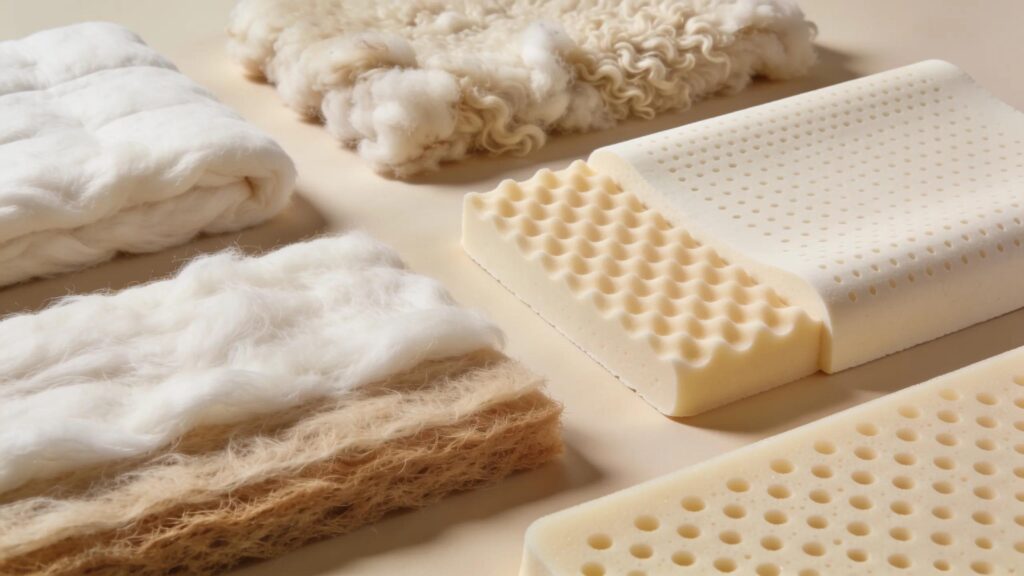
Natural materials are central to hypoallergenic mattresses. Common choices include organic cotton, natural wool and Dunlop latex—each offers specific benefits for allergy sufferers.
Organic cotton is soft and breathable, helping to avoid skin irritation linked to synthetic fibres. Wool regulates temperature and wicks moisture, keeping the sleep surface comfortable and less hospitable to allergens. Dunlop latex is a sustainable, supportive option that resists dust mites and mould.
Together these materials create a breathable, supportive mattress that can reduce allergic reactions and improve sleep quality.
To preserve those material benefits, follow manufacturer care recommendations closely. Regular airing, using washable covers and avoiding high-humidity storage extend the life of natural fillings and keep allergen levels lower. Proper care also protects the natural fibres and the investment you make in healthier bedding.
Health Benefits
Hypoallergenic floor mattresses offer clear health benefits for people with allergies or asthma. They reduce common allergens such as dust mites, mould and pet dander, which can improve respiratory health and sleep quality.
- Reduction of Allergens: The natural materials used in hypoallergenic mattresses limit the growth of dust mites and mold, two common triggers for allergies and asthma.
- Temperature Regulation: Wool and breathable cotton allow for optimal airflow, preventing overheating and night sweats, which can disrupt sleep and exacerbate allergy symptoms.
- Sleep Quality Improvement: The support provided by quality natural materials typically leads to better alignment and comfort, contributing to a more restorative sleep.
These effects combine to support better wellbeing and overall health for those sensitive to environmental allergens.
In practice, many allergy sufferers find that pairing a hypoallergenic mattress with encasements, regular cleaning and a low-clutter bedroom makes a noticeable difference. Small habits — such as vacuuming with a HEPA filter, washing bedding in hot water where appropriate, and airing the mattress outdoors on dry, sunny days — help keep allergen loads down and amplify the mattress benefits.
Key Buying Considerations
To choose a hypoallergenic Japanese floor mattress, weigh a few practical factors to ensure quality and comfort.
- Comfort Guarantees: Look for products that come with a trial period or satisfaction guarantees, allowing you to test the mattress’s comfort level before making a long-term commitment.
- Care Instructions: Ensure that the mattress is easy to maintain; check for removable and washable covers or specific cleaning guidelines.
- Size Options Available: Assess the dimensions available to find one that best fits your sleeping area while accommodating your personal sleep preferences.
Focusing on comfort policies, care needs and size options helps you pick a mattress that suits your sleep and lifestyle.
Also review warranty terms and the return process: a clear, reasonable warranty and a straightforward return policy reduce risk for first-time buyers. If possible, test a mattress in situ during the trial window to confirm support and breathability over multiple nights rather than relying on a single night’s impression.
What Are Hypoallergenic Japanese Floor Mattresses?
Hypoallergenic Japanese floor mattresses are designed to lower allergic reactions and create a healthier sleep environment. They are typically made from natural materials that resist allergens, making them a good option for people with sensitivities.
Materials
Typical materials found in these mattresses include:
- Natural Australian Wool: This fiber is renowned for its natural hypoallergenic properties, which help resist mold and dust mites.
- All Natural Australian Grown Cotton: Organic cotton provides a soft, breathable surface free from harmful chemicals, making it ideal for allergy sufferers.
- Pure Dunlop Latex: This material is not only supportive but also naturally resistant to dust mites, ensuring a cleaner sleeping surface.
These components work together to produce a mattress that feels comfortable while reducing exposure to common allergens.
Natural Australian wool is prized for its breathability and resilience; it can be carded or layered to provide different firmness levels while still wicking moisture. Organic cotton, when processed without harsh chemicals, maintains softness and breathability for sensitive skin. Pure Dunlop latex, made from natural rubber, provides a springy, supportive layer that holds shape over time and discourages dust mite colonisation when combined with breathable covers.
Benefits for Allergy Sufferers
Hypoallergenic mattresses help control allergy symptoms through their materials and construction. By reducing common triggers, they can support longer, more restful sleep for sensitive users.
- Hypoallergenic Properties: The innate qualities of wool and cotton help to create environments that are less hospitable to allergens.
- Mold and Mildew Resistance: The fibers used in these mattresses are designed to wick away moisture, further reducing the likelihood of mold growth.
- Improved Sleep Duration: Many users report that switching to a hypoallergenic mattress leads to longer, uninterrupted sleep patterns, a crucial factor for those struggling with allergies.
Choosing a mattress that addresses these points can increase comfort and overall wellbeing.
For best results, combine a hypoallergenic mattress with routine maintenance: daily airing where possible, rotating the mattress to even wear, and replacing outer covers periodically. These actions keep the materials performing as intended and help maintain a consistently low-allergen sleep surface.
Comparison to Traditional Mattresses
Compared with traditional mattresses, hypoallergenic Japanese floor mattresses differ in materials and health impact. Many conventional mattresses contain synthetic components that can trap allergens or off-gas volatile compounds.
- Material Differences: Hypoallergenic mattresses use all-natural components that do not emit harmful chemicals, unlike many traditional mattresses that can off-gas volatile organic compounds (VOCs).
- Health Implications: The risk of allergies or irritations often associated with synthetic materials is significantly lower with hypoallergenic options, making them a safer choice for sensitive individuals.
- Environmental Impact: Many traditional options utilize materials and production processes that are not eco-friendly, while hypoallergenic mattresses are often made from sustainable sources, minimizing ecological footprints.
These contrasts highlight the benefits of choosing hypoallergenic options over many traditional bedding choices.
Another practical distinction is how new mattresses behave in the home: synthetic foams can produce noticeable odours for days or weeks after unpacking, whereas natural fillings typically off-gas far less when processed responsibly. Regardless of material, ventilating a new mattress in a dry, airy space before regular use can help reduce any residual smells and improve initial indoor air quality.
How Does Japanese Style Design Support Allergy Relief?
Japanese-style design favours function and simplicity, which supports allergy relief. Using natural materials and clean lines makes the sleeping space feel airier and easier to ventilate.
Handcrafted designs often allow better airflow and reduce heat and moisture build-up, which can otherwise encourage dust mites and mould.
Minimalist layouts and lower bed heights common in Japanese design also make it easier to access and clean the floor and mattress. Regularly airing the futon in sunlight or a dry breeze and avoiding excessive layering of heavy covers keeps moisture down and helps maintain a low-allergen environment.
How Do Natural Materials Contribute to Allergy Relief Bedding in Australia?
Using natural materials in bedding matters for allergy management. Their inherent properties help create a healthier sleep environment by reducing conditions that support allergens.
Why Is Organic Cotton Ideal for Allergy Sufferers?
Organic cotton stands out for its soft feel and breathability. Free from harmful chemicals and pesticides, it lowers the chance of skin irritation. Its absorbency also helps keep the sleep surface dry, discouraging allergen growth.
What Allergy Benefits Does Wool Provide in Floor Mattresses?
Wool resists mould and mildew due to its structure and moisture-wicking properties. It also regulates temperature, helping you stay comfortable through different seasons.
Why Choose Eco-Friendly Floor Mattresses for Sustainable Sleep Solutions?
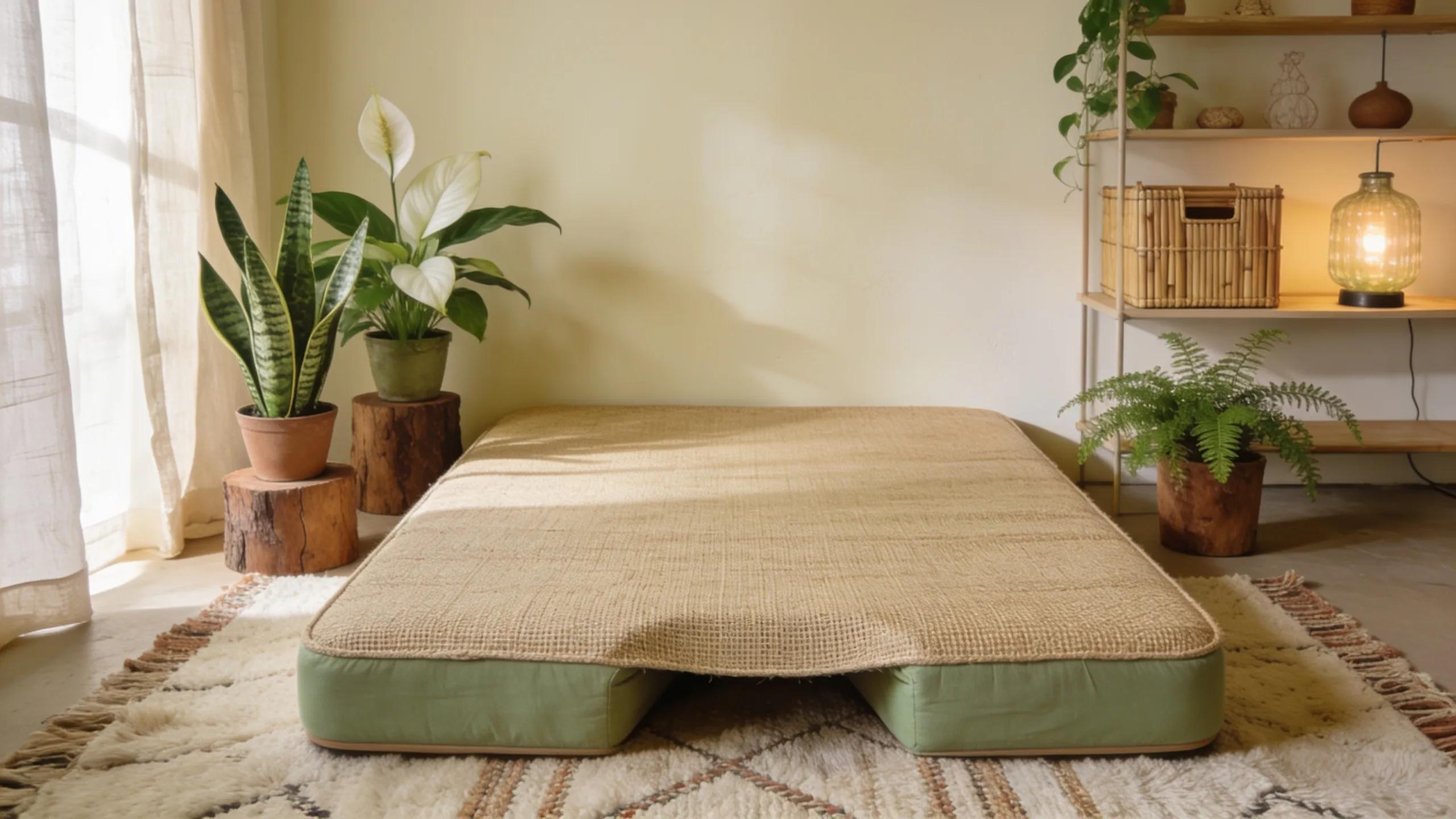
Choosing eco-friendly floor mattresses supports both sustainability and personal health. Made from natural materials, they are less likely to contain harmful chemicals and usually have a smaller environmental footprint from production to disposal.
Eco-Friendly Bio Home Linens: Health and Allergy Benefits
Bio home linens use renewable fibres like hemp, organic cotton and linen to reduce environmental impact. When finished with natural antimicrobial treatments, these linens resist microbial growth and odours, promoting a hygienic living space. Research highlights how bio household linens can lower allergens and improve indoor air quality while remaining durable and comfortable. Bio Based Materials for Sustainable Product, 2024
How Does Sustainability Impact Mattress Material Selection?
Sustainability is a key factor in choosing mattress materials. Eco-friendly manufacturing prioritises organic, biodegradable inputs that benefit consumers and the environment.
What Australian Standards Ensure Non-Toxic Bedding?
Australian standards and certification schemes verify that bedding products are non-toxic and suitable for sensitive users. These bodies monitor compliance with health and safety rules so consumers can buy with confidence.
When evaluating sustainable options, consider end-of-life pathways for materials: products that are compostable or easier to recycle reduce landfill pressure and better match an eco-conscious household. Brands that offer take-back programs or clear disposal instructions make it easier to retire a mattress responsibly.
How to Select the Best Japanese Style Mattress for Allergy Relief in Australia?
Picking the right hypoallergenic floor mattress means checking several quality and comfort factors to ensure a good fit for your needs.
Key Features:
Look for these essential features: breathability to reduce moisture and dust mites; proper comfort and support to maintain healthy posture; and easy maintenance such as removable, washable covers.
Materials to Consider:
Prioritise high-quality materials known for hypoallergenic performance. Good options include wool and cotton for breathability and moisture control, latex for natural resistance to mould and dust mites, and organic fillings that biodegrade without compromising comfort.
Top Brands:
Consider reputable brands when choosing a mattress. Origin Bedding offers a selection of eco-friendly, hypoallergenic mattresses that balance quality with sustainable sourcing. Their use of natural materials helps you invest in healthier sleep while reducing environmental impact.
Think also about your sleeping position and firmness needs: side sleepers often prefer softer, pressure-relieving layers, while back and stomach sleepers may need firmer support to keep the spine aligned. Many natural-material mattresses are layered to offer a balance of cushioning and support — test these combinations during any trial period where possible.
What Should You Look for in an Allergy Relief Bedding Buying Guide?
When buying bedding for allergy relief, check material sourcing and safety, the expected product lifespan, and customer service policies like returns and support.
- Material Sourcing and Safety: Investigate the origins of the materials used, ensuring they are free from harmful chemicals.
- Longevity of Products: Look for durable mattresses that withstand wear while maintaining their hypoallergenic properties.
- Customer Service Policies: Ensure that the brand has a good return policy and customer support to assist with any concerns post-purchase.
These checks will help you select the ideal hypoallergenic mattress for your needs.
Where Can You Buy Authentic Eco-Friendly Futons in Australia?
You can find authentic eco-friendly futons in Australia through online retailers and local stores. Origin Bedding is one brand that focuses on quality and sustainable materials for allergy-friendly sleep solutions.
Local retailers that prioritise eco-friendly products often stock items from responsible manufacturers. Many online shops also list certifications and detailed product information to make shopping easier.
When shopping locally, ask retailers about fabric origins and care recommendations, and request to see sample materials where available. For online purchases, read multiple customer reviews and check return windows so you can test a mattress in your home environment.
What Do Australian Customers Say About Natural Futon Mattresses?
Customer feedback shows that natural futon mattresses can ease allergy symptoms and improve comfort. Many users report noticeable improvements in sleep and reduced allergy attacks after switching to hypoallergenic bedding.
- Comfort: The natural materials contribute to a better night’s sleep, as many claim to sleep more soundly since making the change.
- Health Improvements: Enhanced air quality within the bedroom has led to fewer allergy attacks and overall better respiratory health.
- Quality of Materials: Users appreciate the feel and durability of natural materials, confirming their investment was worthwhile.
How Have Eco-Friendly Floor Mattresses Improved Allergy Symptoms?
User testimonials describe fewer breathing problems at night and reduced daytime allergy symptoms after switching to eco-friendly floor mattresses, indicating they can help create a healthier sleep environment.
Which Features Do Users Value Most in Organic Cotton Futon Mattresses?
For organic cotton futons, users commonly value softness and comfort, the eco-friendly manufacturing behind the product, and durable materials that offer long-term value.
Many also highlight the value of breathable covers and easy-to-wash outer layers, which let them maintain a cleaner sleep surface without professional cleaning. Practical features like corner ties to keep covers in place or lightweight designs for frequent airing are often mentioned as user-friendly additions.
Frequently Asked Questions About Hypoallergenic Japanese Floor Mattresses
How Do Japanese Futons Reduce Allergy Symptoms?
Japanese futons reduce allergen exposure by using organic cotton and natural wool, both of which resist dust mites and mould. Evidence shows that sleeping on hypoallergenic surfaces lowers exposure to common triggers and can ease symptoms for sensitive individuals.
Allergen Exposure Reduction with Encased Bedding for Asthma Control
Encasing pillows and mattresses and advising patients to avoid indoor allergens reduced Der 1 allergen exposure and improved asthma control in adults. Using microfine-fibre covers lowered house mite allergen exposure and aided disease management in adult atopic asthmatics. (2013)
This overview highlights industry developments that support better health through natural bedding. With eco-friendly materials, adherence to safety standards, and a focus on allergy relief, consumers can make confident purchases.