



359
Breathable Futon Mattresses for Allergy Relief in Australia
Breathable Futon Mattresses for Allergy Relief in Australia: Natural, Eco-Friendly Sleep Solutions
By Origin Living, Origin Bedding
Breathable futon mattresses are growing in popularity across Australia among people seeking natural allergy relief. These eco-friendly options improve comfort while addressing common sensitivities. This guide outlines their benefits, how natural materials affect sleep, and the best choices available. Allergies often disrupt sleep and wellbeing; breathable futons increase airflow and reduce allergen build-up to create a healthier sleep space. We cover ideal materials, care tips and how to choose the right mattress for your needs. For a selection of these mattresses, check out the futon mattress range available.
Common bedroom allergy triggers include dust mites, mould, pet dander and chemical off‑gassing from some synthetic foams and finishes. Breathable futon designs help mitigate these triggers by promoting airflow, limiting moisture retention and using materials less likely to harbour dust or emit strong odours. Where appropriate, pairing a breathable futon with a washable cover and regular cleaning further reduces exposure to common allergens and supports a fresher sleeping environment.
Benefits of Natural and Eco-Friendly Materials
Natural, eco-friendly materials support allergy relief because they are breathable, hypoallergenic and sustainable. Their fibres help regulate temperature and moisture while limiting dust mite and mould build-up. Many are also free from harsh chemicals, adding safety for the sleeper. Choosing these materials means healthier sleep and support for sustainable practices.
Beyond immediate health benefits, choosing natural materials can also reduce the environmental impact across a mattress’s lifecycle. Natural fibres are often easier to recycle or biodegrade and may originate from renewable sources. For consumers prioritising both wellbeing and environmental responsibility, these material choices align personal health with broader sustainability goals.
Impact on Sleep Quality
Breathable futon mattresses improve sleep by regulating temperature, relieving pressure and reducing allergens. Better airflow prevents overheating. The mattress contours to the body, cutting down on tossing and turning. Together, this support and lower allergen levels help you wake feeling refreshed.
Sleep quality is also influenced by the bedding layers used with a futon. Lightweight, breathable sheets and a moisture‑wicking protector will preserve the futon’s ventilation performance. Proper support from the mattress combined with suitable pillow and base choices helps maintain spinal alignment and reduces pressure points for a more restorative night.
Available Options in the Market
Australia offers a wide selection of breathable futon mattresses to suit different needs. Some common options include:
- Natural Cotton Futon Mattresses: Made from organic cotton, these mattresses provide hypoallergenic properties while offering a soft and breathable surface.
- Cotton and Wool Hybrid Mattresses: Combining the best of both worlds, these mattresses leverage the natural breathability of cotton and the moisture-wicking properties of wool.
- Latex and Wool Mattresses: Utilizing natural latex provides excellent support, while wool adds an additional layer of comfort and breathability.
- Pocket Spring Mattresses: These offer targeted support where it’s needed most and are also designed to enhance airflow, reducing heat retention.
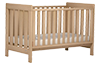
- Baby Cot Futons: Specifically designed for infants, these futons also prioritise breathability and safety, making them a great choice for allergy-sensitive families.
Origin Bedding offers a range of breathable futon mattresses crafted to support allergy relief and lasting comfort.
Choosing between these options usually comes down to personal comfort preferences and practical considerations. Natural cotton futons tend to be very breathable and soft, while latex and pocket spring constructions add targeted support and resilience. Hybrid constructions balance moisture control and pressure relief. For baby cot futons, look for materials and construction that meet safety guidelines and allow consistent airflow to lower the risk of overheating.
What Are Breathable Futon Mattresses and Why Are They Ideal for Allergy Relief?
Breathable futon mattresses use materials and construction that boost airflow and create a cleaner sleeping environment. Natural fibres like cotton, wool and latex breathe more effectively than many synthetics and wick away moisture to limit allergen build-up. That reduces the likelihood of reactions and makes these mattresses a suitable choice for people with sensitivities.
How Does Breathability Improve Sleep Quality and Reduce Allergens?
Breathability matters for allergy management because it promotes air circulation, regulates temperature and reduces moisture retention. Increased airflow helps prevent dust mite and mould growth, common allergy triggers. Moisture-wicking materials keep sleepers dry and more comfortable, which together improve overall sleep quality for allergy sufferers.
What Makes Futon Mattresses Different from Traditional Mattresses?
Futon mattresses differ from many traditional mattresses through their use of natural fibres and their construction. Where synthetics can trap heat and moisture, natural materials offer better breathability and hypoallergenic properties. Futons are often more flexible and portable, and their natural composition aligns well with sustainable living choices.
Construction details also vary and affect performance: some futons are layered and hand‑tufted to retain loft and evenness, while others use stitched or bonded layers to create a firmer profile. The presence of layers such as wool batting, latex inserts or micro coils determines both airflow and support characteristics, so reviewing construction notes helps match a futon to your comfort and allergy needs.
Which Organic and Sustainable Materials Are Best for Allergy Friendly Bedding in Australia?
When choosing allergy-friendly bedding, consider these organic and sustainable materials:
- Natural Australian Wool: Renowned for its breathability and moisture-wicking properties, wool helps regulate temperature while being naturally resistant to dust mites.
- Organic Cotton: Grown without harmful chemicals, organic cotton is soft, breathable, and hypoallergenic, making it an excellent choice for sensitive individuals.
- Dunlop Latex: This material is derived from natural rubber trees and provides excellent support and bounce without harbouring allergens.
- INFINITY Foam: Another innovative choice, INFINITY foam is designed to enhance breathability while offering a supportive sleeping surface.
- Micro Coils: These small coils provide individualised support while promoting airflow throughout the mattress.
These materials improve the hypoallergenic qualities of bedding and support sustainable living, making them well suited to health-conscious consumers.
When assessing materials, consider how they perform together. For example, wool layers paired with latex cores can offer both moisture control and durable support. Micro coils used in combination with natural fibre fillings enhance airflow without sacrificing comfort. Reviewing sample feel, zoning and trial policies will help confirm whether a materials mix meets both allergy and sleep requirements.
What Are the Benefits of Organic Cotton and Natural Latex in Futon Mattresses?
Organic cotton and natural latex bring clear benefits. Organic cotton is breathable and gentle on sensitive skin, helping maintain a comfortable sleeping temperature. Natural latex adds resilience and support, conforms to the body and allows good ventilation. Together they create a supportive, breathable mattress without sacrificing comfort.
How Do Eco Friendly Mattress Options Enhance Hypoallergenic Properties?
Eco-friendly mattresses enhance hypoallergenic properties by using natural materials that resist allergens. Compared with many synthetic options, organic cotton and natural latex manage moisture and airflow better and are often free from chemical irritants. Their sustainable production further reassures consumers seeking safer sleep products.
How Do Breathable Futon Mattresses Help Sensitive Skin and Allergy Sufferers Sleep Better?
Breathable futon mattresses suit sensitive skin and allergy sufferers because they use naturally hypoallergenic materials and avoid many synthetic chemicals that can irritate skin. Soft organic fibres provide comfort while breathability keeps temperature and moisture in check. The reduced presence of allergens benefits those with respiratory or skin sensitivities.
What Allergy Relief Benefits Are Proven by Natural Bedding Materials?
Research indicates natural bedding materials like organic cotton and natural latex can reduce allergen presence and support better sleep. Studies show natural fibres help limit dust mite and mould formation and their breathability promotes balanced moisture and airflow—factors that aid allergy management.
Are Futon Mattresses Suitable for Asthma and Chemical Sensitivity?
Futon mattresses are often recommended for people with asthma or chemical sensitivities because their natural makeup and hypoallergenic properties lower the risk of triggers. The breathable design also supports improved airflow and can contribute to better air quality while sleeping.
What Eco Certifications Ensure the Quality and Safety of Natural Futon Mattresses in Australia?
Eco certifications help confirm the quality and safety of natural futon mattresses. Look for labels such as GOTS (Global Organic Textile Standard), Oeko-Tex Standard 100 and CertiPUR to verify the absence of harmful chemicals and responsible production practices. These certifications give buyers confidence in their choices.
Beyond recognised labels, demand clarity from retailers about which parts of the mattress are certified (cover, fillings, foam cores). Transparent suppliers will show certificates or testing documentation on request and explain the scope of certification. This diligence helps ensure the product you buy matches the label claims and your allergy concerns.
Which Certifications Verify Organic and Non Toxic Mattress Materials?
Certifications vary by focus: GOTS ensures products use organic fibres and meet ecological and ethical production standards; Oeko-Tex Standard 100 checks textiles for harmful substances; CertiPUR confirms foams are made without dangerous chemicals. Together they help verify a mattress is organic and non-toxic.
How Do These Certifications Impact Consumer Trust and Mattress Sustainability?
Recognised eco-certifications boost consumer trust and signal genuine sustainability. Shoppers who see these labels are likelier to feel confident the product meets health and environmental standards, which can drive demand for more sustainable bedding options and give certified brands an edge.
How to Choose the Best Breathable Futon Mattress for Allergy Relief in Australia?
Choose a breathable futon mattress by evaluating key factors: material composition—favor organic, hypoallergenic options; thickness and firmness—match your comfort and support needs; and breathability—ensure the design promotes airflow. Consider customisation options and warranties to add value to your purchase.
Before buying, create a short checklist: confirm material certifications, verify trial and returns policy, test firmness in store if possible, and ensure the base or frame supports airflow. Consider trial periods and warranties that allow you to assess comfort and allergy performance in your own bedroom over several nights.
What Key Features Should You Look for in Allergy Friendly Bedding Options?
When choosing allergy-friendly bedding, prioritise:
- Material Composition: Opt for natural materials such as organic cotton, wool, or latex, known for their hypoallergenic properties.
- Breathability: Ensure that the mattress allows for adequate airflow to help regulate temperature and prevent moisture buildup.
- Firmness Levels: Look for customization options that range in firmness according to personal comfort needs to support healthy sleep posture.
Selecting mattresses with these features can improve comfort and create a better sleep environment for allergy sufferers.
How to Compare Mattress Breathability, Material Quality, and Hypoallergenic Ratings?
Compare mattresses using these criteria:
- Breathability Ratings: Check for airflow ratings or temperature regulation claims from manufacturers to assess breathability.
- Material Quality: Investigate the sourcing of materials and look for certifications that validate their organic nature.
- Hypoallergenic Ratings: Research whether the mattress has been tested for allergy-related properties, and read customer reviews to gain insight into effectiveness.
Reviewing breathability, material sourcing and hypoallergenic testing helps you make an informed choice that meets allergy relief needs.
What Best Practices for Caring for and Maintaining Natural Futon Mattresses?
Regular care preserves a natural futon mattress’s lifespan and allergy-fighting properties. Key maintenance steps include the following list.
- Rotating the Mattress: Periodic rotation helps maintain even wear and supports longevity.
- Using Protective Covers: Investing in breathable, hypoallergenic mattress covers adds a layer of protection from allergens and bacteria.
- Regular Cleaning: Vacuum the mattress surface regularly to remove dust and allergens, and occasionally spot clean with natural cleaners.
Following these routines helps the mattress retain its functionality, comfort and allergy relief benefits over time.
Seasonal care is useful: in drier months, airing the mattress helps remove trapped moisture; in humid periods, maintaining indoor humidity and using dehumidifiers where needed will reduce the chance of mould. If storing a futon for extended periods, keep it dry, rolled or stored flat in a breathable cover and avoid airtight plastic wrapping that can trap moisture.
How to Preserve Breathability and Allergy Relief Benefits Over Time?
Keep the mattress breathable and allergen-resistant by managing humidity (30–50%), airing it in sunlight occasionally and using gentle, eco-friendly cleaning products. These habits extend performance and longevity.
What Cleaning Methods Are Recommended for Organic and Non Toxic Mattresses?
Recommended cleaning methods include:
- Spot Cleaning: For stains, use a mixture of mild soap and water applied gently with a cloth to avoid saturating the material.
- Vacuuming: Utilize a vacuum with a hose attachment to remove dust and allergens from the surface.
- Use of Natural Deodorizers: Sprinkle baking soda lightly over the surface and let it sit for a few hours before vacuuming to absorb odors.
Using these simple cleaning steps keeps the mattress fresh and reduces allergen buildup, supporting a healthier sleep environment.
For households with pets, consider preventing pet access to sleeping areas or using an additional washable cover that can be laundered frequently. Promptly addressing spills, perspiration and soiling preserves both hygiene and the breathability of the materials over the mattress’s life.
How Does Origin Bedding Lead the Australian Market in Sustainable Breathable Futon Mattresses?
Origin Bedding stands out in Australia for its focus on sustainability and quality. The brand uses natural, organic materials and local sourcing to better control production and reduce waste. That approach supports safer products and a smaller environmental footprint.
What Unique Features Differentiate Origin Bedding’s Futon Mattresses?
Origin Bedding combines thoughtful design with quality materials. Their futons often use advanced breathability features and eco-friendly methods to balance comfort, support and environmental responsibility—built with customer feedback and ongoing improvement in mind.
How Does Origin Bedding Support Allergy Relief Through Product Innovation?
Origin Bedding invests in material research and design to enhance breathability and reduce allergens. Their product choices and construction focus on airflow and moisture control to address common triggers for allergy sufferers.
What FAQs Help Australian Consumers Understand Breathable Futon Mattresses for Allergy Relief?
Knowing the key features of breathable futon mattresses helps consumers choose products suited to allergy relief. The FAQs below cover common concerns.
What Makes a Futon Mattress Breathable and Hypoallergenic?
Futon mattresses are classed as breathable and hypoallergenic mainly because they use natural materials that promote airflow. Organic cotton, wool and natural latex ventilate well and help regulate temperature and moisture. These materials are usually free from many synthetic chemicals, offering a safer option for sensitive sleepers.
How Can I Confirm a Mattress Is Truly Eco Friendly and Safe for Allergies?
To confirm eco-friendliness and allergy safety, look for recognised certifications such as GOTS, Oeko-Tex or CertiPUR. Check product details for organic and hypoallergenic claims and read customer reviews to see real-world effectiveness before buying.